
WELLNESS 4 min read
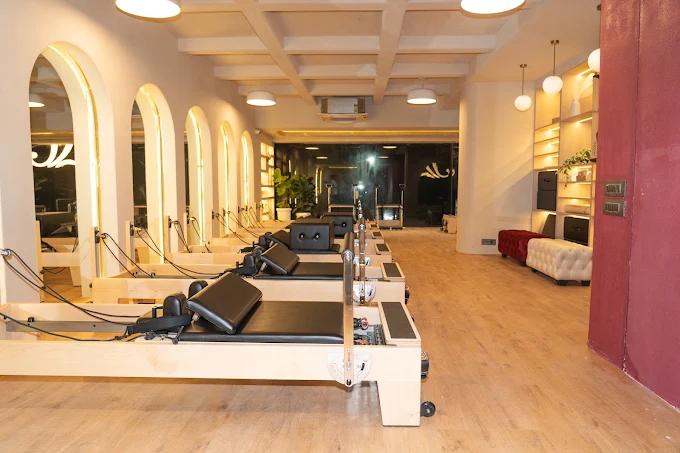
Clothing will not make you good at Pilates. It can make the hour more comfortable and easier to coach. Reformers use straps and a moving carriage. Fabric that stays put helps you forget the outfit and attend to the movement.
J Pilates’ published note is simple: wear comfortable activewear that allows free movement. This article adds practical detail without turning the studio into a fashion brief.
Quick answer
Wear fitted, stretchy activewear you can lie, sit and stand in. Choose layers that will not catch on straps. Grip socks are a practical default on Reformer equipment. Leave sharp jewellery off.
What should I wear to Pilates?
Comfortable activewear that allows free movement — preferably fitted enough that an instructor can see how you are organising the exercise.
Tops that stay down when you lie back are more useful than very cropped or very loose shirts. Leggings or fitted shorts that do not slide when you use straps save you from adjusting clothing mid-set.
You do not need a branded uniform. You need range and coverage you are happy to train in.
Footwear choices
Reformer carriages are not running tracks. Thick trainers can feel clumsy and can mark equipment. Many people use grip socks so the foot stays organised on the footbar or carriage.
If you have a foot condition that needs a particular shoe, tell the instructor before you start. The studio can work with genuine constraints.
What usually gets in the way
- Long necklaces or hoop earrings that catch on straps.
- Jeans or structured trousers that block hip fold.
- Heavy perfume in a small closed room.
- Arriving so bundled up that the first ten minutes are spent undressing on the carriage.
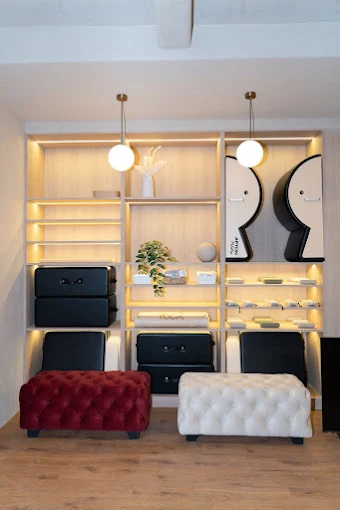
Bring a simple layer for the lounge if you run cold, then take it off for the hour. Sanpada photographs show branded towels in the chair studio — useful context that this is a prepared room, not a park class.
Common questions
Do I need to buy new clothes?
Only if nothing you own lets you lie, sit and reach without restriction. Ordinary fitted activewear is enough for a first visit.
Are shoes required?
Not in the way a gym class often requires trainers. Grip socks are the practical Reformer default. Ask the studio if you need an exception.
What about changing rooms?
Arrive as close as you can to session-ready. Use the lounge as a calm pause, not as a full wardrobe change if time is tight.
Practical guidance
Each J Pilates session lasts approximately 50–60 minutes. Wear comfortable activewear that allows free movement. Sessions can be rescheduled with at least 24-hour notice.
First-visit nerves are normal. Pair this guide with your first J Pilates session and Pilates for beginners.
Book through the J Pilates online platform. The same booking path is used for Sanpada and Ghansoli; choose the studio that fits your commute.
Comfort is part of the method
You cannot concentrate on springs if you are pulling a shirt down every repetition. Clothing is not vanity in a Reformer room. It is equipment-adjacent. Straps sit close to the body. Fitted fabric stays out of the way.
J Pilates does not publish a dress code beyond comfortable activewear that allows free movement. Interpret that generously and practically. You should be able to lie on your back, sit, fold at the hips and reach without a costume change.
Grip socks are the unglamorous hero of many first sessions. They keep the foot honest on the footbar. If you hate socks, ask what the studio prefers. Do not assume outdoor shoes belong on the carriage.
Jewellery is the other quiet problem. A bracelet that looks small in a mirror can feel enormous when a strap slides. Leave it in a bag.
Arrive as close as you can to ready. The lounge is for settling your nervous system, not for reconstructing an outfit. First-visit nerves drop faster when you are not also fighting a zipper.
Once clothing is solved, it should disappear from your mind. That is success. Then the hour can be about movement, which is the only reason to have a clothing article at all.
FAQ
What should I wear to Pilates?
Comfortable, fitted activewear that allows free movement. Avoid overly loose layers that catch in straps. Grip socks are usually more practical than running shoes on a reformer.
Do I need special shoes?
Most Reformer work is done in socks or bare feet according to studio preference. Ask reception if you are unsure; do not assume thick trainers are required.
What should I bring?
Water if you like, a hair tie, and clothing you can move in. Towels and studio details vary — follow any note you receive when you book.